
Have you ever stopped to wonder why some people seem to rise effortlessly, achieving success and opportunities, while others, with the same talent, hard work, and determination, struggle just to make ends meet? Often, the difference isn’t skill or effort it’s systemic inequality. Barriers like unequal access to education, discrimination based on gender, race, or religion, economic hardship, and even environmental disadvantages silently shape the paths people can take in life. This is exactly what the World Day of Social Justice, observed every year on 20 February, brings into focus. It’s a day to remind the world that fairness, equality, and human rights aren’t optional they are fundamental rights that every person deserves.
In 2026, the World Day of Social Justice Quotes feels more urgent than ever. With widening income gaps, ongoing discrimination, social unrest, and unequal access to opportunities impacting millions globally, understanding and acting on social justice issues isn’t just idealistic it’s necessary. The day encourages governments, communities, and individuals to reflect, raise awareness, and take meaningful action to create a fairer, more inclusive society.
This guide will take you on a journey through the history of the World Day of Social Justice, its relevance in today’s world, the biggest challenges to achieving equality, and inspiring global efforts driving change. Most importantly, it will show practical ways you can contribute, whether in your daily life, your community, or through advocacy, so you can help build a world where justice and opportunity are available to all. By the end, you won’t just understand the importance of this day you’ll feel empowered to act and make a real difference.
The History and Origins of World Day of Social Justice

The United Nations officially established the World Day of Social Justice in 2007 to emphasize the urgent need for fair access to resources, protection of human rights, and equal opportunities for all people. The selection of 20 February as this day encourages reflection on global inequalities and inspires individuals, communities, and governments to take meaningful action to address them.
Throughout history, social justice movements have played a pivotal role in shaping societies and challenging injustice:
-
Civil Rights Movement (1960s, USA): Striving to end racial inequality and secure fundamental civil rights for African Americans.
-
Women’s Suffrage Campaigns (19th–20th century, global): Fighting for women’s right to vote and access to equal opportunities in education and the workplace.
-
Anti-Apartheid Movement (South Africa): Working tirelessly to dismantle systemic racial segregation and discrimination.
-
Modern Human Rights Campaigns: From climate justice initiatives to LGBTQ+ rights, social justice continues to evolve and adapt to the world’s changing challenges.
Observing the World Day of Social Justice goes beyond symbolism. It serves as a powerful reminder that achieving justice is a continuous process, one that requires active engagement and commitment from every individual, community, and institution. It’s not just about awareness it’s about taking steps, however small, to create a more equitable and inclusive society for all.
Why Social Justice Matters in 2026
Despite technological progress and economic growth, inequalities continue to persist across the globe. The World Day of Social Justice 2026 reminds us that fairness, equality, and equal access to opportunities are essential for building a stable, thriving society. It is a day to reflect on the gaps that still exist and to consider how each of us can contribute to a more just world.
Here’s why social justice remains crucial today:
-
Education Equality: Millions of children still face barriers to quality education, lacking access to trained teachers, proper schools, and learning resources. Ensuring education for all is a key step toward reducing inequality and empowering future generations.
-
Economic Fairness: Wealth is often concentrated among a small elite, while many live below the poverty line. Social justice promotes fair wages, job opportunities, and economic policies that give everyone a fair chance to succeed.
-
Human Rights Protection: Every individual deserves freedom, dignity, and safety. Social justice ensures that these rights are upheld and that discrimination, oppression, and marginalization are actively challenged.
-
Community Strength: Inclusive societies foster stronger communities, where people feel valued and supported. Social justice builds cohesion, resilience, and mutual respect.
-
Climate and Environmental Justice: Vulnerable populations are disproportionately affected by environmental challenges. Fairness in sustainability and resource distribution is a crucial aspect of social justice today.
The World Day of Social Justice reminds us that fairness is not just an idea it has real, tangible impacts on the lives of millions. By reflecting on these issues and taking action, we can contribute to a society that is more equitable, inclusive, and just for everyone.
Major Challenges in Achieving Social Justice
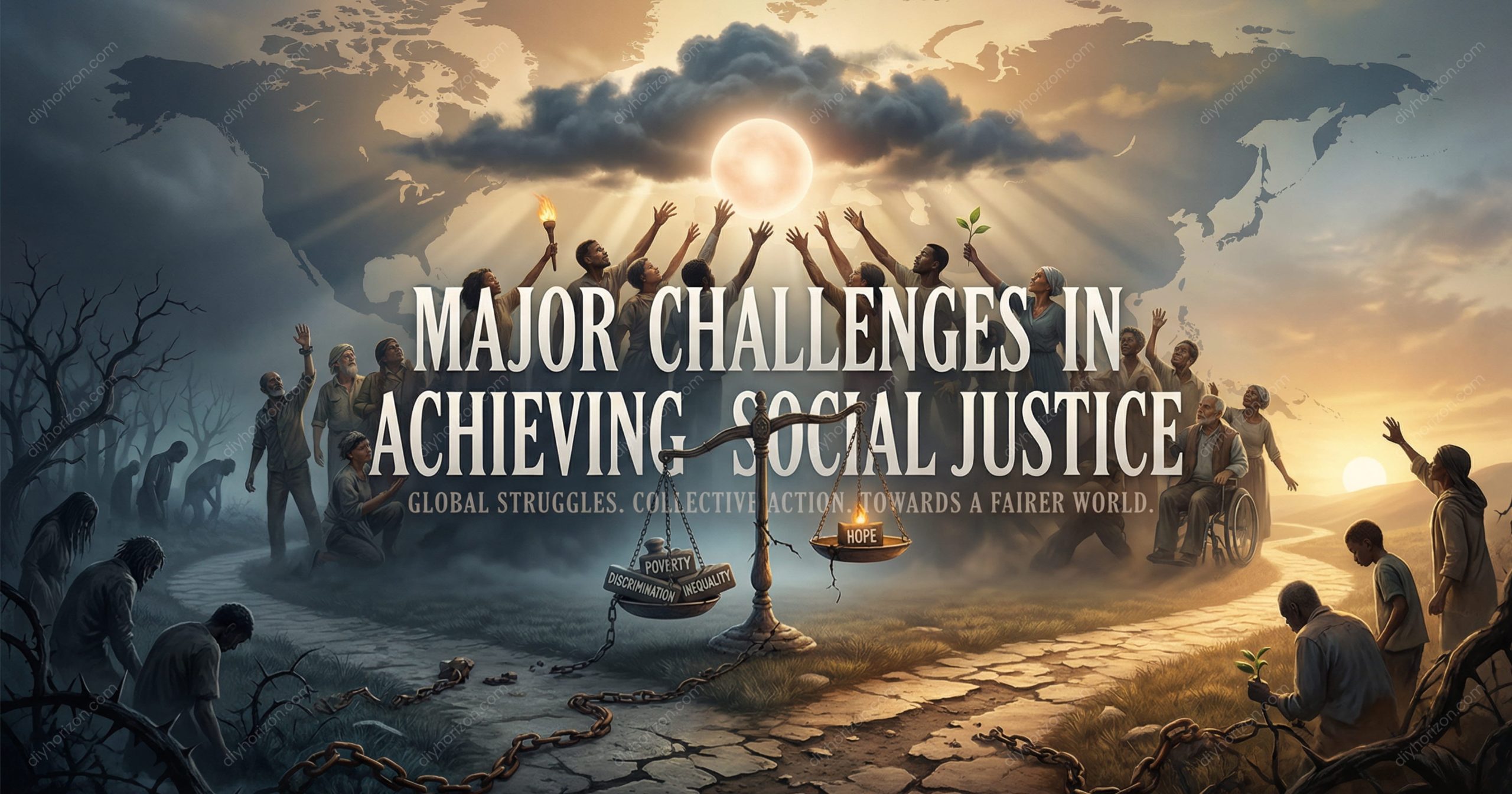
Even though the principles of social justice are widely recognized around the world, achieving true fairness remains a significant challenge. There are numerous obstacles that continue to prevent equal opportunities for all, and understanding these barriers is essential for creating meaningful change. The World Day of Social Justice serves as a reminder that addressing these issues is not optional it requires collective effort from governments, communities, and individuals.
Some of the most pressing challenges include:
- Persistent Poverty: Millions of people around the globe struggle daily to meet basic needs such as food, clean water, shelter, and healthcare. Poverty is not just an economic issue it limits access to education, employment, and social mobility, making it one of the biggest barriers to social justice today.
- Systemic Discrimination: Discrimination based on gender, race, religion, or disability continues to prevent people from accessing opportunities and living with dignity. These ingrained biases affect education, employment, healthcare, and social interactions, creating cycles of inequality that are difficult to break.
- Unequal Access to Legal Systems: Many marginalized individuals cannot fully access justice due to high costs, bureaucratic hurdles, or institutional bias. Without fair legal protection, rights are often denied, and social justice remains out of reach for those who need it most.
- Education Gaps: Quality education is a cornerstone of equality, yet millions of children and adults lack access to schools, teachers, and learning resources. These gaps perpetuate inequality across generations, keeping disadvantaged communities trapped in cycles of poverty and exclusion.
- Political Instability: Corruption, weak institutions, and ongoing conflicts prevent fair distribution of resources and social services. In unstable regions, social justice initiatives are often hindered, leaving vulnerable populations without the support they need.
- Digital Divide: In a modern, technology-driven world, lack of access to digital tools and the internet creates another layer of inequality. Those without access are left behind in education, employment, and social engagement, widening the gap between privileged and marginalized groups.
Addressing these challenges requires more than awareness it demands action. The World Day of Social Justice calls on everyone, from policymakers to ordinary citizens, to collaborate, implement solutions, and take measurable steps toward creating a fairer, more inclusive society. By understanding the barriers and working collectively, we can ensure that equality and opportunity are not just ideals but realities that benefit everyone.
Global Efforts to Promote Social Justice
Around the world, a wide range of initiatives led by governments, organizations, and local communities are actively working to promote fairness, equality, and inclusion. The World Day of Social Justice highlights the importance of these efforts, reminding us that achieving social equity requires collaboration at every level from local neighborhoods to global institutions.
Some of the key initiatives include:
-
United Nations and SDGs: The United Nations has embedded social justice goals within its Sustainable Development Goals (SDGs). These goals focus on reducing inequality, ensuring access to quality education, promoting human rights, and supporting vulnerable populations. Goals 4 (Quality Education), 5 (Gender Equality), and 10 (Reduced Inequalities) are particularly aligned with the principles of social justice. By linking global policies with actionable targets, the UN provides a framework for governments and organizations to measure progress and take meaningful action.
-
NGOs in Action: Non-governmental organizations such as Amnesty International, Oxfam, and Human Rights Watch play a crucial role in advancing social justice worldwide. They fight for marginalized communities, raise awareness of rights violations, advocate for policy changes, and provide direct assistance to those who need it most. These organizations often operate in areas where governments cannot reach, ensuring that no one is left behind.
-
Government Initiatives: Many governments implement social welfare programs, affirmative action policies, and anti-discrimination laws to ensure fair access to education, healthcare, and employment. By creating legal frameworks that protect human rights and reduce inequality, governments play a critical role in supporting the goals of the World Day of Social Justice.
-
Grassroots Movements: Local campaigns, from women’s empowerment projects to youth-led environmental and climate action, demonstrate the power of bottom-up change. Communities that organize themselves to tackle inequality and injustice often create sustainable solutions that directly impact people’s lives. Grassroots initiatives show that social justice is not just a policy it’s a lived, community driven experience.
-
Global Youth Initiatives: Young people around the world are increasingly taking the lead in promoting social justice. Movements like Fridays for Future and youth climate advocacy campaigns highlight issues such as climate fairness, economic equality, and inclusion. These initiatives show that the next generation is not only aware of social inequities but actively engaged in creating solutions.
The World Day of Social Justice emphasizes that promoting equity is not the responsibility of one group alone. It requires coordinated effort across governments, organizations, communities, and individuals. By working together at local, national, and international levels, we can build a society where fairness, equality, and human rights are not ideals, but realities that touch the lives of every person.
The Transformative Role of Education
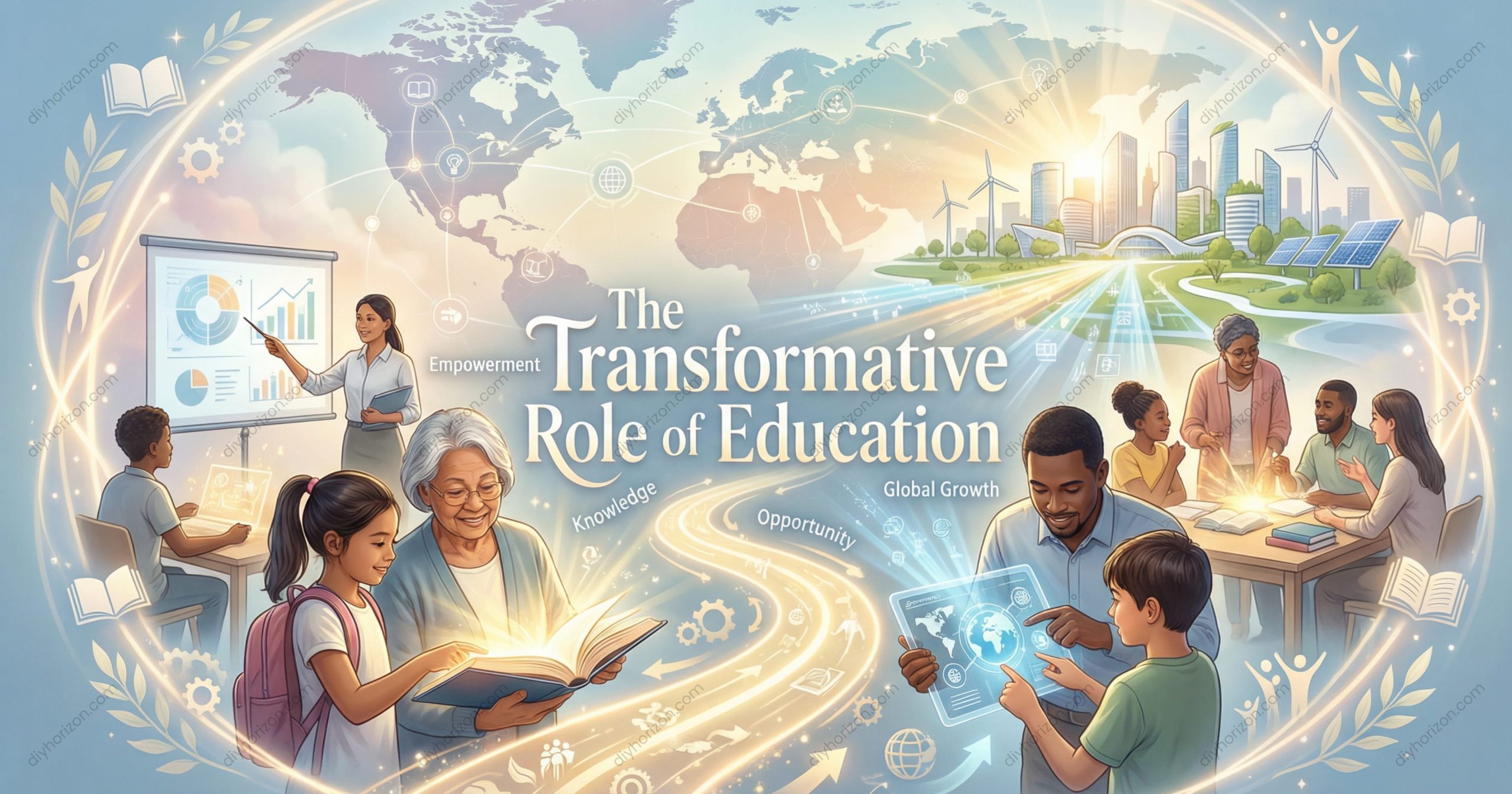
Education remains one of the most fundamental pillars of social justice. Without access to quality learning, opportunities are limited, and social inequalities continue to widen across generations. The World Day of Social Justice reminds us that education is more than a privilege it is a powerful tool to empower individuals, break cycles of poverty, and create a fairer society where everyone can thrive.
Some of the key ways education supports social justice include:
-
Universal Access: Every child, regardless of their socioeconomic background, deserves access to quality schooling. This includes safe learning environments, trained teachers, proper learning materials, and opportunities for personal development. Universal access to education ensures that children from disadvantaged communities can build the skills and knowledge needed to pursue meaningful opportunities in life.
-
Curriculum Reform: Education should go beyond basic academics. Schools must include lessons on human rights, civic responsibility, ethical behavior, and social equality. Teaching students about fairness, inclusion, and the value of diversity prepares them to become compassionate and responsible members of society who can actively contribute to social justice initiatives.
-
Adult Learning: Social justice is not limited to children. Adult literacy programs, vocational training, and skill development courses empower adults to improve their economic and social circumstances. These programs provide pathways for marginalized populations to gain independence, secure employment, and participate fully in their communities.
-
Digital Literacy: In today’s modern world, access to technology and digital skills is essential. Bridging the digital divide ensures that disadvantaged populations can participate in education, work opportunities, and civic engagement. Digital literacy helps level the playing field, giving everyone a fair chance to succeed in a technology-driven society.
The World Day of Social Justice underscores that education is both a right and a strategic tool for building equality. By ensuring that all individuals children and adults alike have access to knowledge, skills, and opportunities, we can empower communities, foster inclusion, and create lasting social change. Observing this day encourages governments, organizations, and individuals to invest in education as a cornerstone of fairness, equity, and human rights.
Practical Ways Individuals Can Promote Social Justice
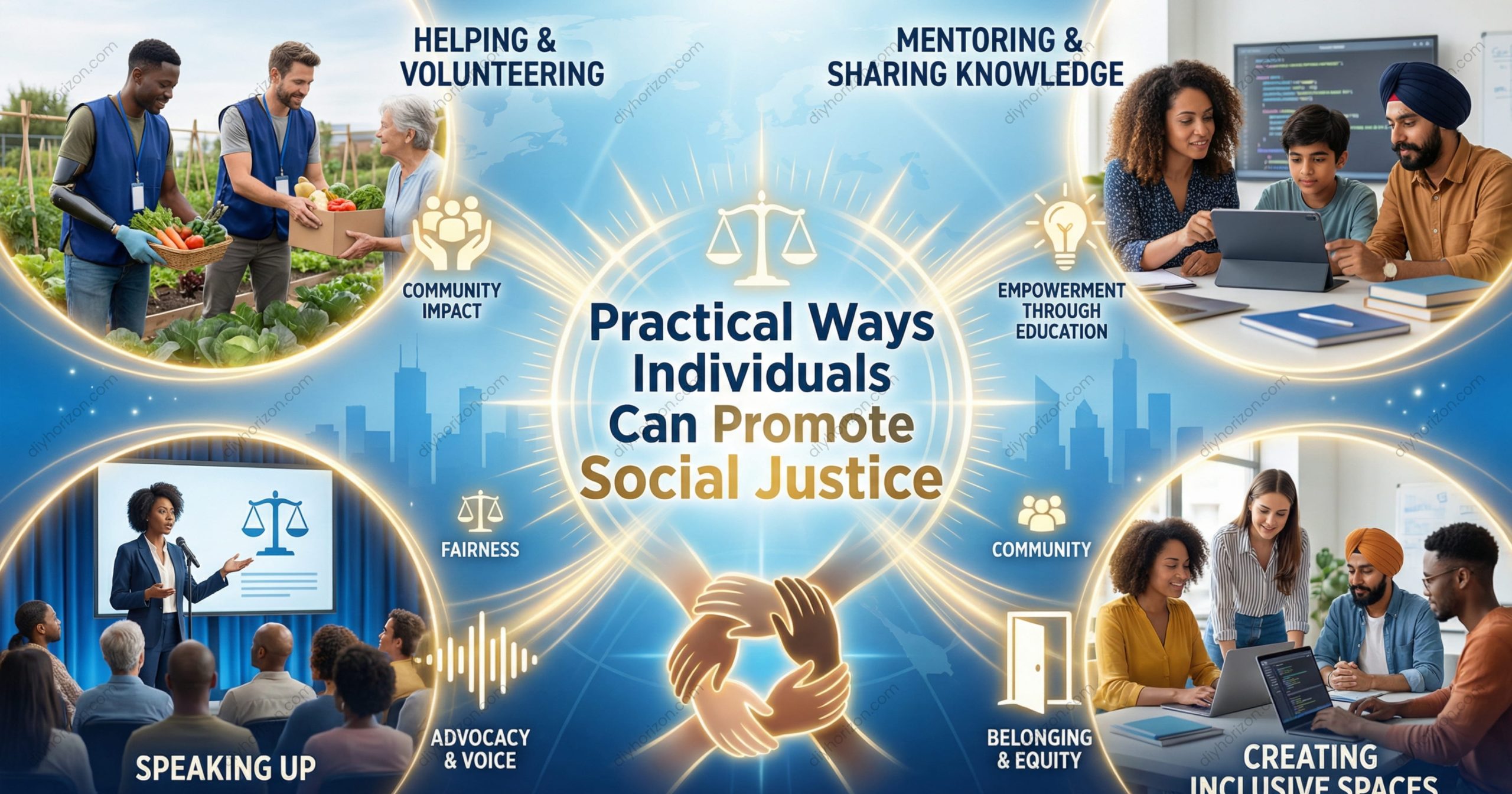
You don’t need to hold political power or lead a large organization to make a meaningful difference in the world. Every action, no matter how small, can contribute to promoting fairness, equality, and human rights. The World Day of Social Justice serves as a reminder that everyone has a role to play in building a more equitable society.
Here are some practical ways anyone can contribute:
-
Educate Yourself: Understanding local and global injustices is the first step toward meaningful action. By learning about systemic inequality, discrimination, and social barriers, you become better equipped to identify problems and take informed steps to address them. Knowledge empowers you to be a more effective advocate for change.
-
Speak Out Against Injustice: Challenge unfair treatment whenever you encounter it—whether in your workplace, community, or social circles. Speaking up against discrimination, bias, or exclusion sends a strong message that injustice will not be tolerated and encourages others to do the same.
-
Volunteer or Donate: Supporting NGOs, schools, and shelters that empower marginalized groups is one of the most direct ways to make an impact. Volunteering your time or donating resources can help provide education, healthcare, legal support, and other essential services to those who need them most.
-
Promote Inclusion: Advocate for diversity and inclusion in all areas of life—at work, in schools, and even online. Simple actions, like creating safe spaces for discussion, mentoring someone from an underrepresented group, or supporting inclusive policies, help foster a culture of equity.
-
Advocate for Policy Change: Use your voice to support legislation, policies, or initiatives that promote fairness and equal opportunity. Participating in petitions, campaigns, or community meetings can help influence decisions that benefit entire communities.
Even small actions mentoring a student, sharing awareness content online, or organizing a community event—align with the mission of the World Day of Social Justice. These seemingly small efforts can create ripple effects, inspiring others to act and gradually building a society that values equity, inclusion, and human dignity. Every step counts, and collectively, small actions can drive lasting change.
Inspiring Success Stories
Real-life examples from around the world clearly show how powerful social justice initiatives can be when communities and governments commit to fairness and equality. These success stories remind us that change is possible, and that the values highlighted on the World Day of Social Justice are already creating meaningful impact across different regions.
Some inspiring examples include:
-
Scandinavia: Countries like Norway and Sweden have made significant progress in achieving gender equality. Women now hold leadership roles in government and business, receive equal access to education, and participate actively in the workforce. These policies have helped create more balanced and inclusive societies.
-
Cuba: Universal healthcare ensures that every citizen has access to medical services, regardless of income level. This system demonstrates how social justice in healthcare can improve life expectancy, reduce inequality, and protect vulnerable populations.
-
USA Civil Rights Movement: Historic activism in the United States led to landmark anti-discrimination laws that protect minority groups. These changes transformed workplaces, schools, and public spaces, proving that collective action can reshape entire societies.
-
African Community Programs: In countries such as Kenya, Ghana, and South Africa, community-based initiatives focusing on microfinance, sustainable farming, and education have empowered local populations. These programs help families build stable incomes, improve food security, and create long-term opportunities.
-
Environmental Justice Movements: Across parts of Asia and South America, local projects are protecting vulnerable communities from the effects of climate change while promoting sustainable development. These efforts show how environmental fairness is deeply connected to social justice.
Together, these stories highlight that the World Day of Social Justice is not just a symbolic observance it represents real progress, real hope, and real change. Each example proves that when fairness, inclusion, and human dignity are prioritized, entire communities can thrive.
Common Misconceptions About Social Justice
Misunderstandings can hinder effective action:
-
It’s not charity: Social justice is about fairness, not handouts.
-
It’s for everyone, not only activists: Every individual can contribute.
-
It’s about equal opportunities, not identical outcomes: Justice ensures access, not uniform results.
-
It’s local and global: Issues like climate change and digital inequality are central to social justice.
Correcting these misconceptions helps individuals engage meaningfully and sustainably in social justice initiatives.
How to Make the Most of World Day of Social Justice 2026
Here are practical steps to honor the day:
-
Raise Awareness: Use social media, blogs, and community events to educate others.
-
Volunteer Locally: Help underprivileged communities, schools, and shelters.
-
Support Fair Policies: Advocate for legislation and programs promoting equity.
-
Engage in Dialogue: Discuss social justice with peers, family, and colleagues.
-
Self-Reflection: Examine personal biases and privileges and commit to change.
The World Day of Social Justice is a chance to act, not just observe. Every individual effort contributes to a collective movement toward fairness.
The Future of Social Justice
Looking ahead, social justice will continue to evolve, and the World Day of Social Justice will remain a vital reminder of our collective responsibilities:
-
Technological Equity: Ensuring AI, digital tools, and online education are accessible to all.
-
Climate Justice: Protecting vulnerable communities from environmental harm.
-
Inclusive Governance: Empowering marginalized groups to participate in decision-making.
-
Global Collaboration: Addressing systemic inequality requires cooperation among nations.
By staying informed and proactive, everyone can play a part in creating a society where fairness, dignity, and opportunity are universal.
Sum Up
The World Day of Social Justice 2026 is far more than just a date on the calendar it represents a global movement, a moment for reflection, and a powerful call to action. While inequality and unfairness continue to affect millions around the world, this day reminds us that every individual has the ability to contribute to positive change. No matter your background, resources, or position, your actions can help shape a more equitable and inclusive society.
By taking steps such as educating yourself about social injustices, speaking out against discrimination, volunteering your time, or advocating for fair policies, you actively participate in creating a world that values fairness, equality, and human dignity. Even small gestures, when multiplied across communities, can spark meaningful change and inspire others to join the cause.
This 20 February, the World Day of Social Justice invites you to pause and ask: What can I do today to make the world a fairer, more just place? Whether it’s mentoring someone in need, sharing knowledge, participating in local initiatives, or simply raising awareness about inequality, your contributions create ripple effects that move society closer to justice and inclusion.
Ultimately, the journey toward social justice is not something that happens to us it is something we create together. Each act of kindness, each effort to promote fairness, and each voice raised in support of equality brings us closer to a world where opportunity, rights, and dignity are accessible to all. The journey toward justice begins with you. Take action today and let the World Day of Social Justice 2026 be a turning point in your commitment to building a better, fairer world.
The journey toward justice begins with you. Act today.
 Muskan